
The Context
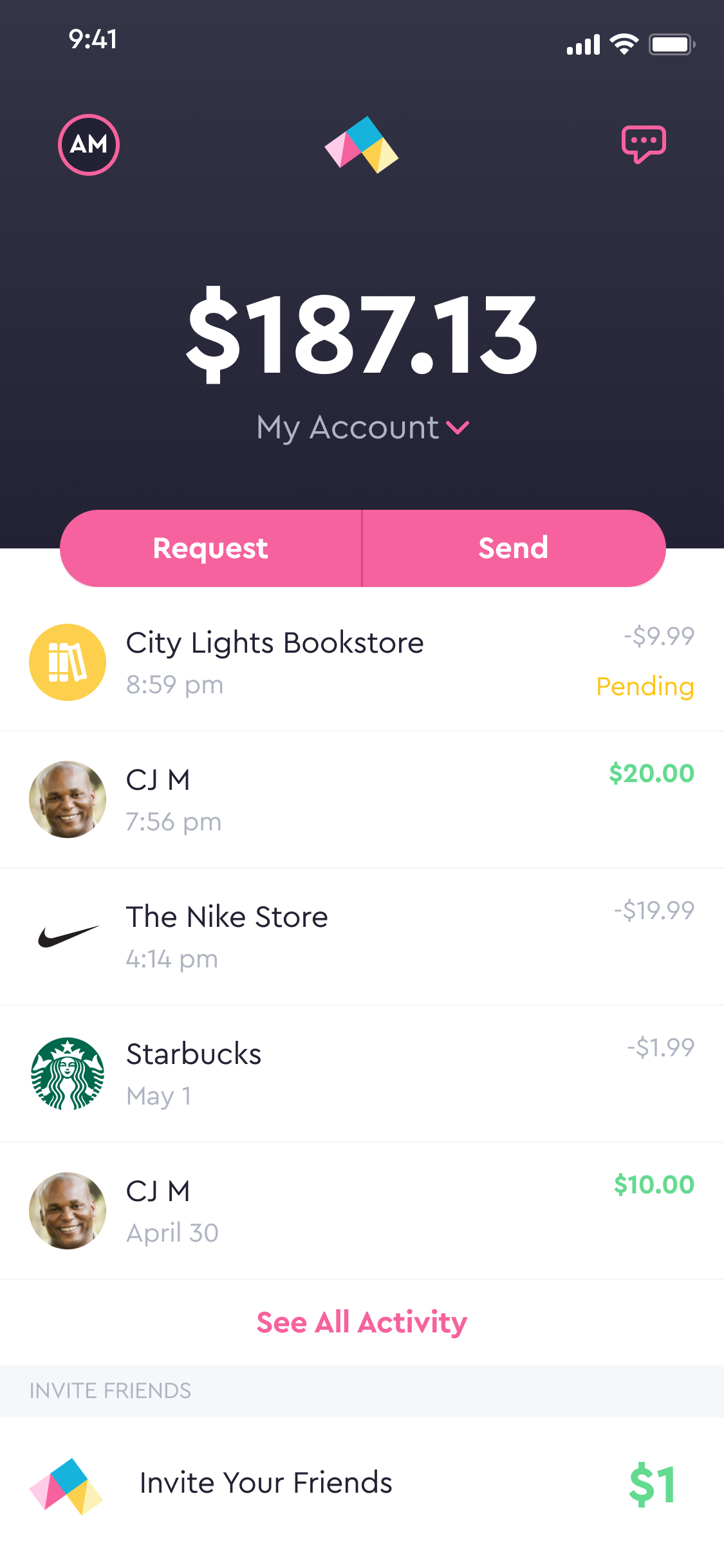
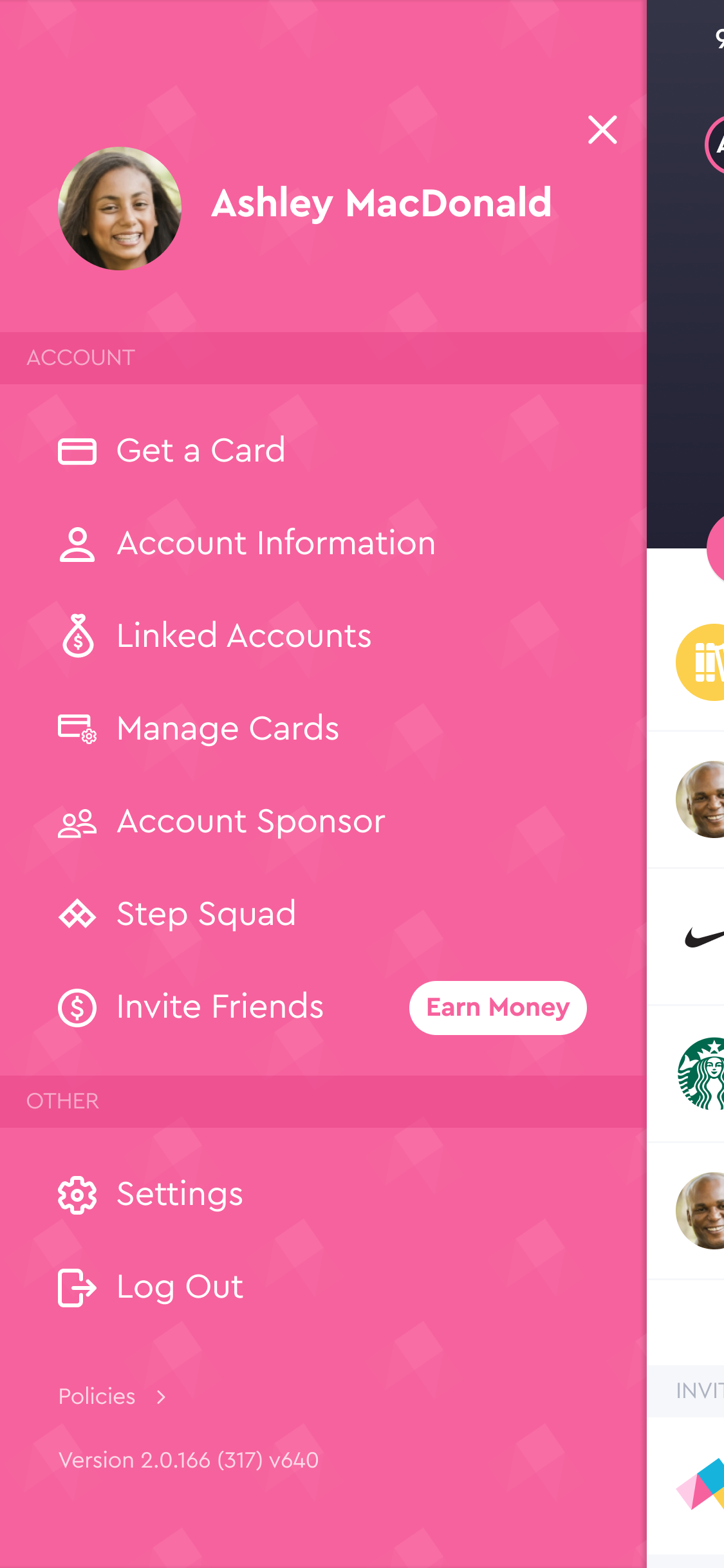
As Step evolved from a teen-focused banking app into a comprehensive financial platform, the product became increasingly complex. The original lightweight experience expanded to include savings, investing, crypto, rewards, credit monitoring, and Step Black premium subscription. The business strategy shifted toward attracting older teens and young adults — more financially independent users with greater lifetime value. The redesign challenge required rethinking the product's organization, encouraged behaviors, and user support systems.
The Problem
Step's original simple architecture couldn't accommodate the platform's expansion across seven major feature categories. The existing information architecture showed significant strain from incremental feature additions without fundamental reorganization.
Business Objectives
- Increasing transacting users
- Increasing Step Black adoption
- Increasing direct deposit conversion
This project functioned as an organizational alignment exercise as much as a UX challenge.
Starting with Behavior
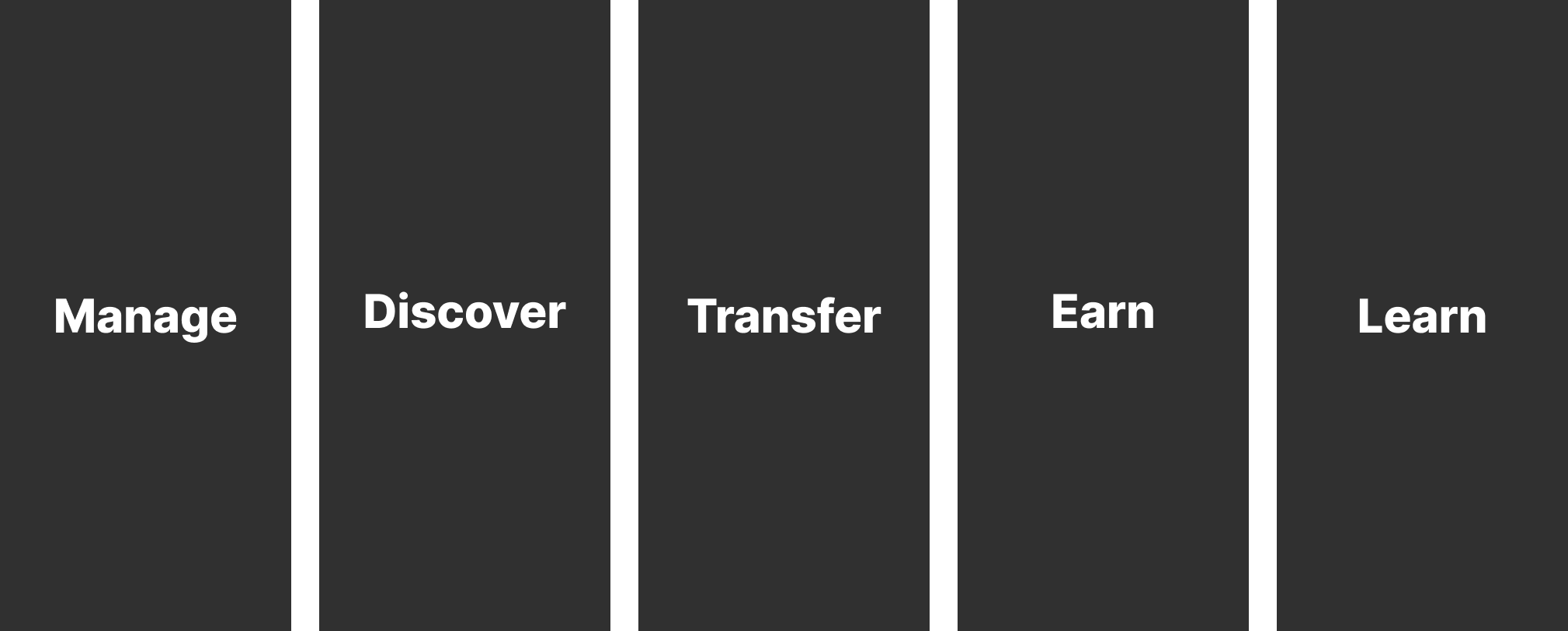
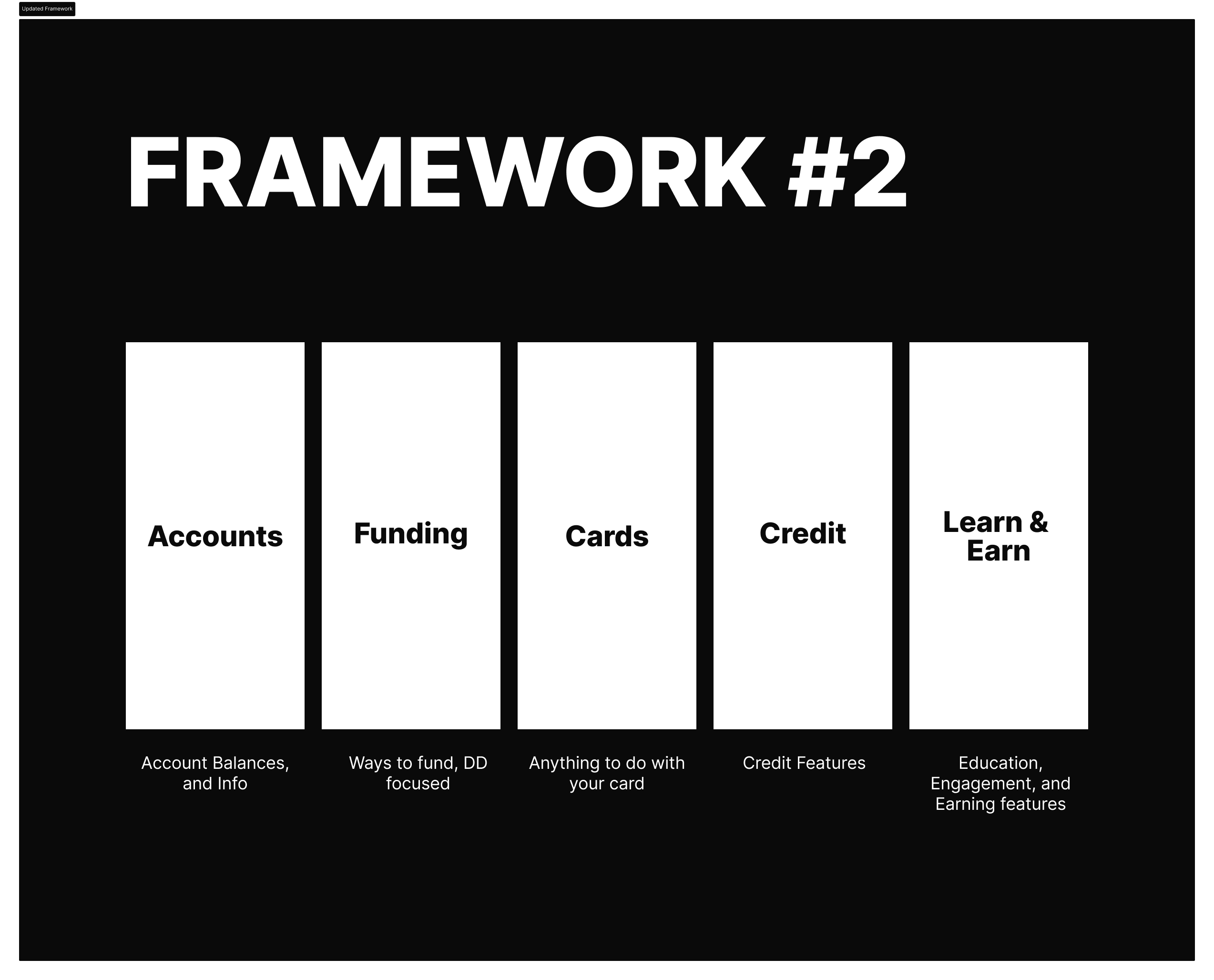
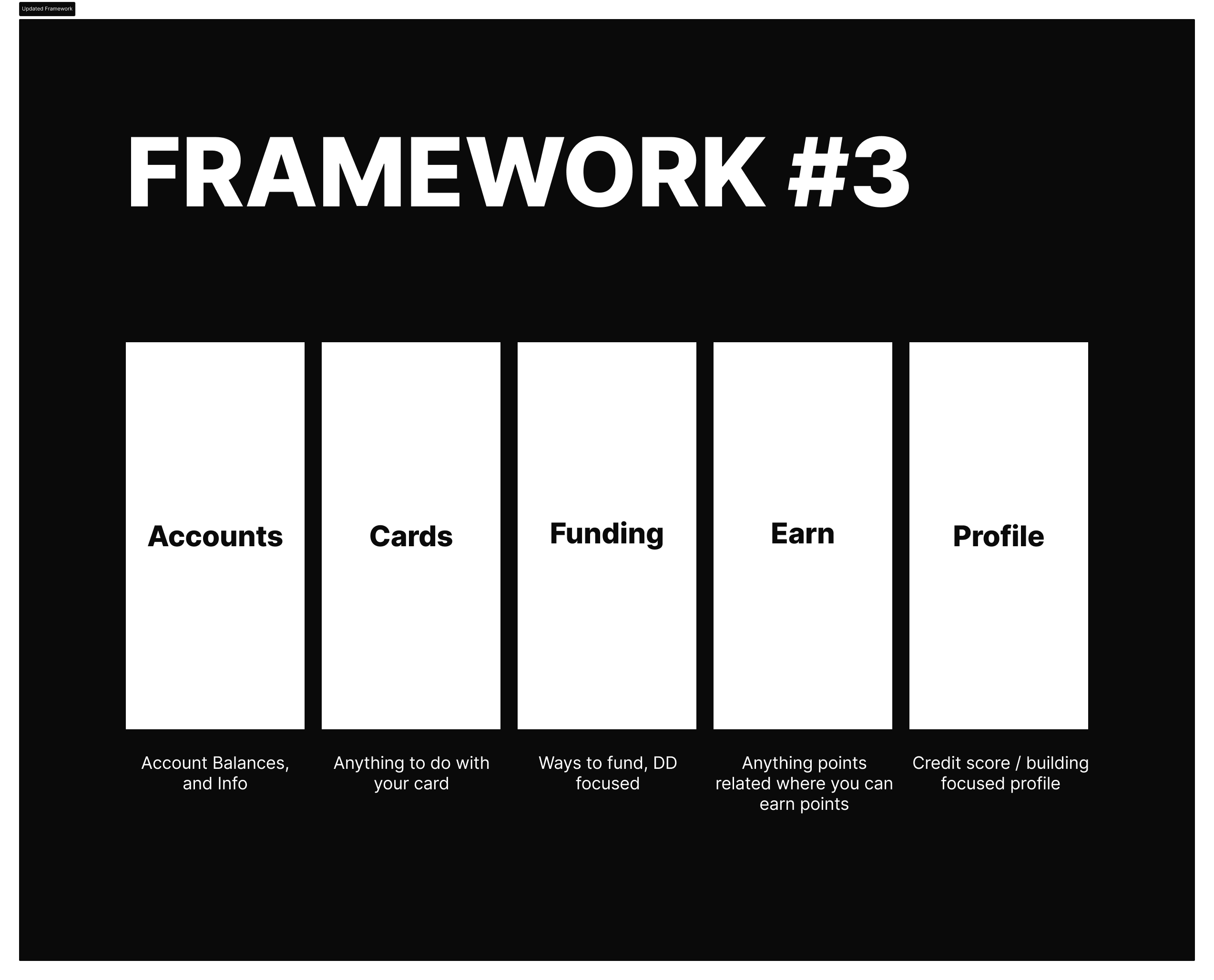
Rather than beginning with visual redesign, the team analyzed user engagement patterns and mapped core journeys. Using verbs and action-oriented language to define major navigation patterns helped frame discussions around user objectives rather than product categories — a reframe that proved essential for cross-functional alignment.
Designing Collaboratively
An Early Mistake
An initial mistake — developing a polished prototype independently — narrowed collaboration prematurely. Presenting a finished solution too early signaled that decisions had been made, reducing the space for input from product, engineering, and marketing.
Shifting to Lightweight Artifacts
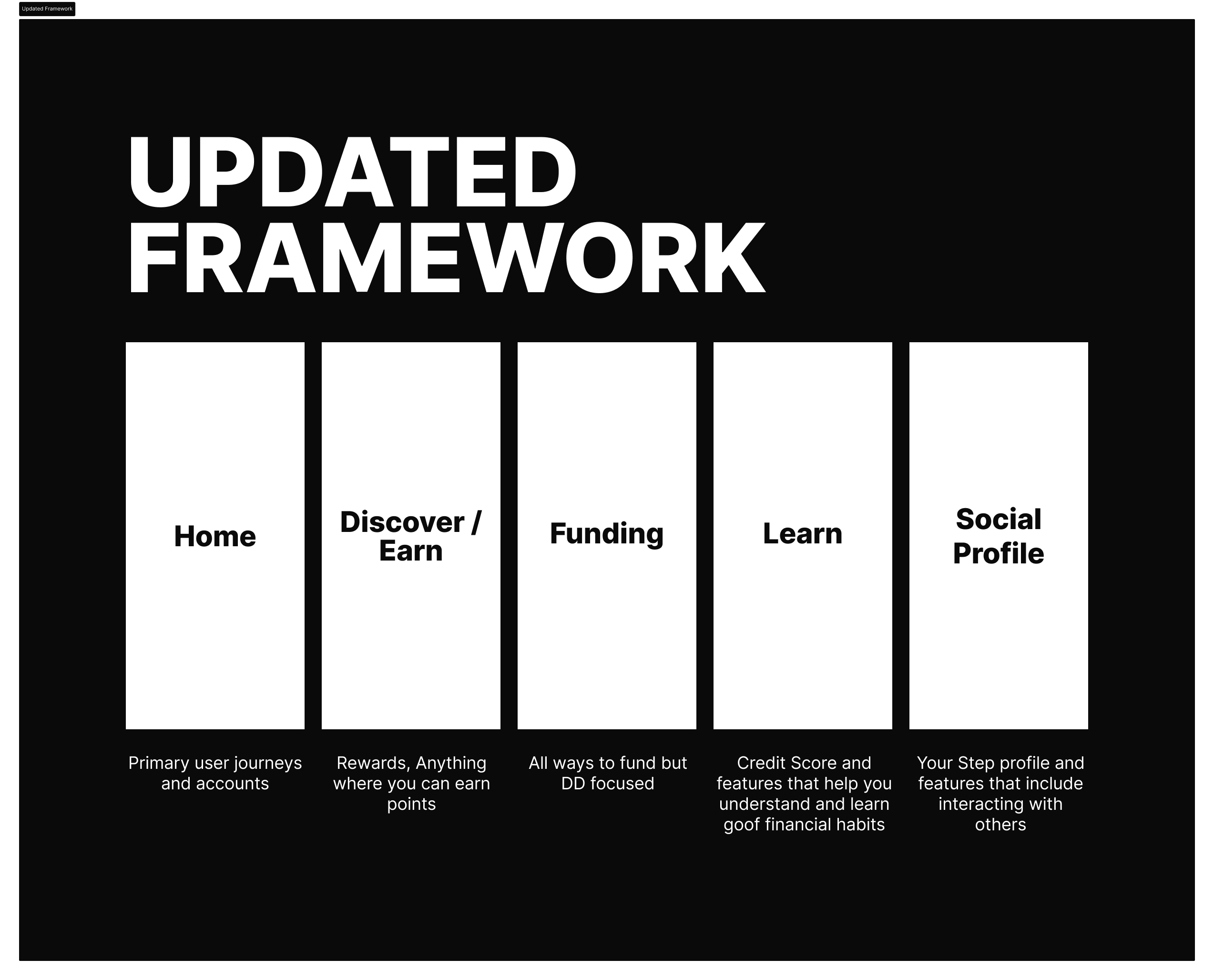
The team shifted toward simplified flows, wireframes, and hierarchy explorations that encouraged discussion rather than defended solutions. Educational sessions on design principles from Google Material Design and Apple's Human Interface Guidelines established shared standards across disciplines.
Shipping Iteratively
Implementation prioritized smaller structural improvements and high-impact opportunities tied directly to business goals, allowing incremental learning and validation rather than waiting on a large all-at-once launch.
Impact
- Credit monitoring engagement increased 300%
- Direct deposit conversion increased by 10%
- Established stronger organizational frameworks for future navigation decisions
What I Learned
Large-Scale Redesigns Are Alignment Challenges
Multiple stakeholders held strong opinions about prioritization, creating ambiguity around the best structural approach. Success required shared understanding across product, engineering, marketing, and leadership — not just the right UX answer.
Design Facilitates Strategic Evolution
As business goals and customer bases shift, product design plays a critical role in facilitating that evolution — helping teams articulate direction, resolve tradeoffs, and move toward a shared vision of the product's future.