
Context
In 2021, savings had become one of the most requested capabilities at Step. Thousands of users had asked for some form of savings product, but their requests varied significantly. Some wanted savings accounts. Others wanted savings goals, round-ups, rewards, interest, family contributions, or social features. Internally, there were just as many opinions about what the solution should be. The challenge wasn't deciding whether to build savings. The challenge was deciding where to start. With limited engineering capacity and a long list of potential opportunities, we needed a way to identify the highest-value foundation while ensuring the entire organization could move in the same direction.
The Challenge
The temptation was to start designing immediately. Instead, we paused to answer a more important question: what problem are users actually trying to solve when they ask for "savings"? Because "I want savings" isn't a product requirement. It's a symptom. If we misunderstood the underlying need, we risked spending months building features that sounded valuable but failed to change behavior.
"I want savings" isn't a product requirement. It's a symptom.
Starting With Understanding
Before defining requirements, we interviewed teens to understand their goals, attitudes, and existing saving behaviors. The research revealed something important: users weren't primarily asking for sophisticated financial tools. They were asking for help overcoming temptation. Many described saving as difficult because money remained too visible and too easy to spend. Several explicitly wanted a separate place to put money where it felt psychologically protected from everyday spending. This insight changed the direction of the product. Instead of thinking about savings as a banking feature, we began thinking about savings as a behavior-change problem. That distinction shaped every decision that followed.
Instead of thinking about savings as a banking feature, we began thinking about savings as a behavior-change problem.
Creating a Shared Framework
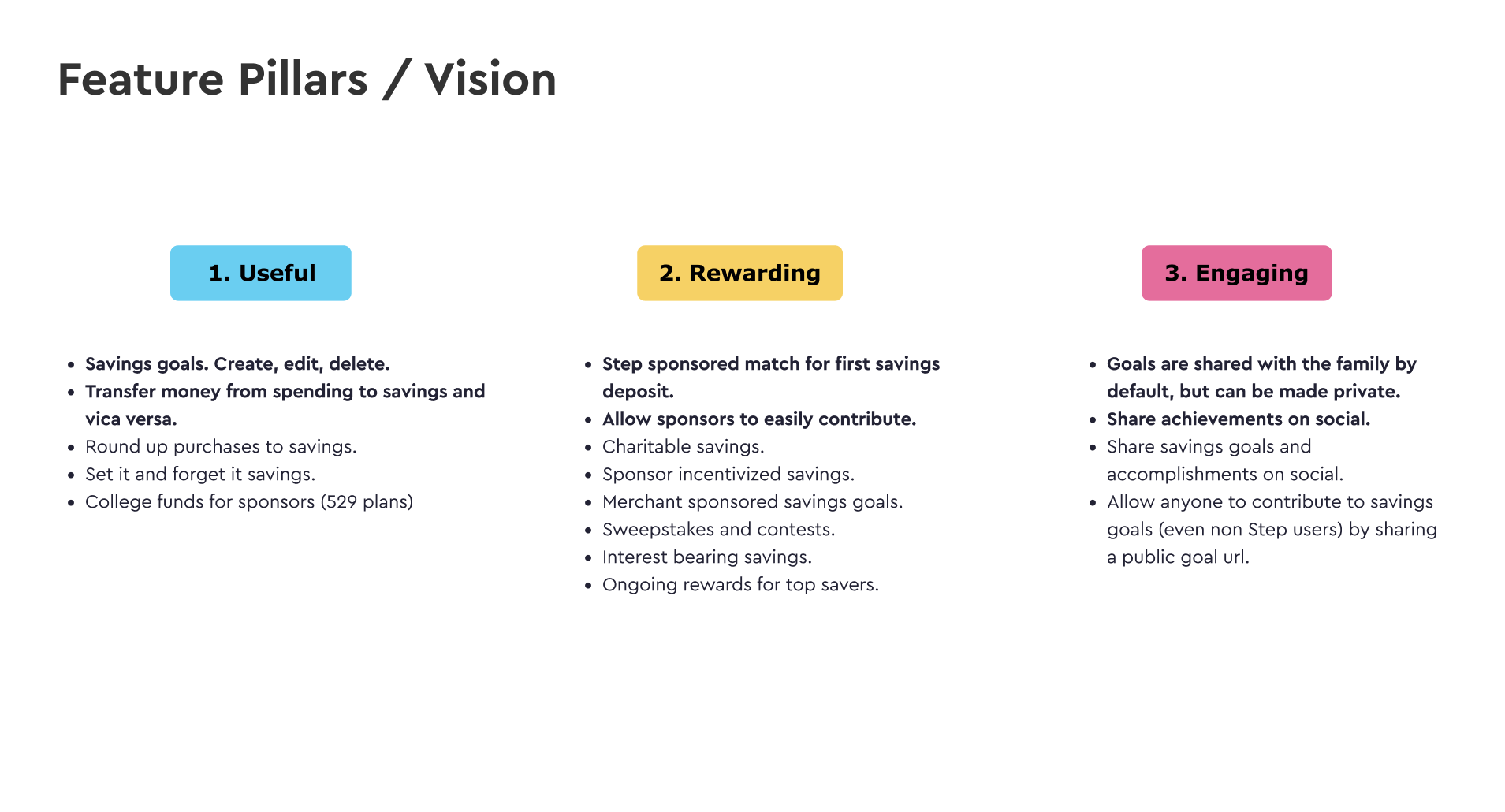
Research gave us insights. What we needed next was alignment. Working with Product and Marketing, we translated the findings into three product pillars:
Useful
Help customers successfully save money.
Rewarding
Create meaningful incentives and positive reinforcement.
Engaging
Keep customers motivated over time.
Aligning the Organization
The pillars became a decision-making framework for the entire team. Rather than debating individual ideas, we could evaluate opportunities against a shared set of principles. At the same time, we used a Lean UX Canvas to align on business goals, success metrics, target users, user outcomes, key assumptions, and risks and unknowns. These artifacts became the foundation for the PRD and roadmap. More importantly, they created a common language that Product, Design, Engineering, Marketing, Risk, Legal, and Customer Support could all rally around.
Turning Alignment Into Velocity
One of the biggest advantages of this approach was speed. Because the team aligned on the problem before defining solutions, prioritization became dramatically easier. When new ideas emerged, we didn't restart the conversation. We simply evaluated them against the framework. The pillars also helped us distinguish between what was foundational and what could come later. That allowed us to define a milestone-based roadmap that balanced customer value with implementation complexity.
What We Shipped
The first release focused on establishing the core savings behavior. The experience was heavily influenced by envelope budgeting principles and the research findings around temptation and self-control.
V1 Feature Set
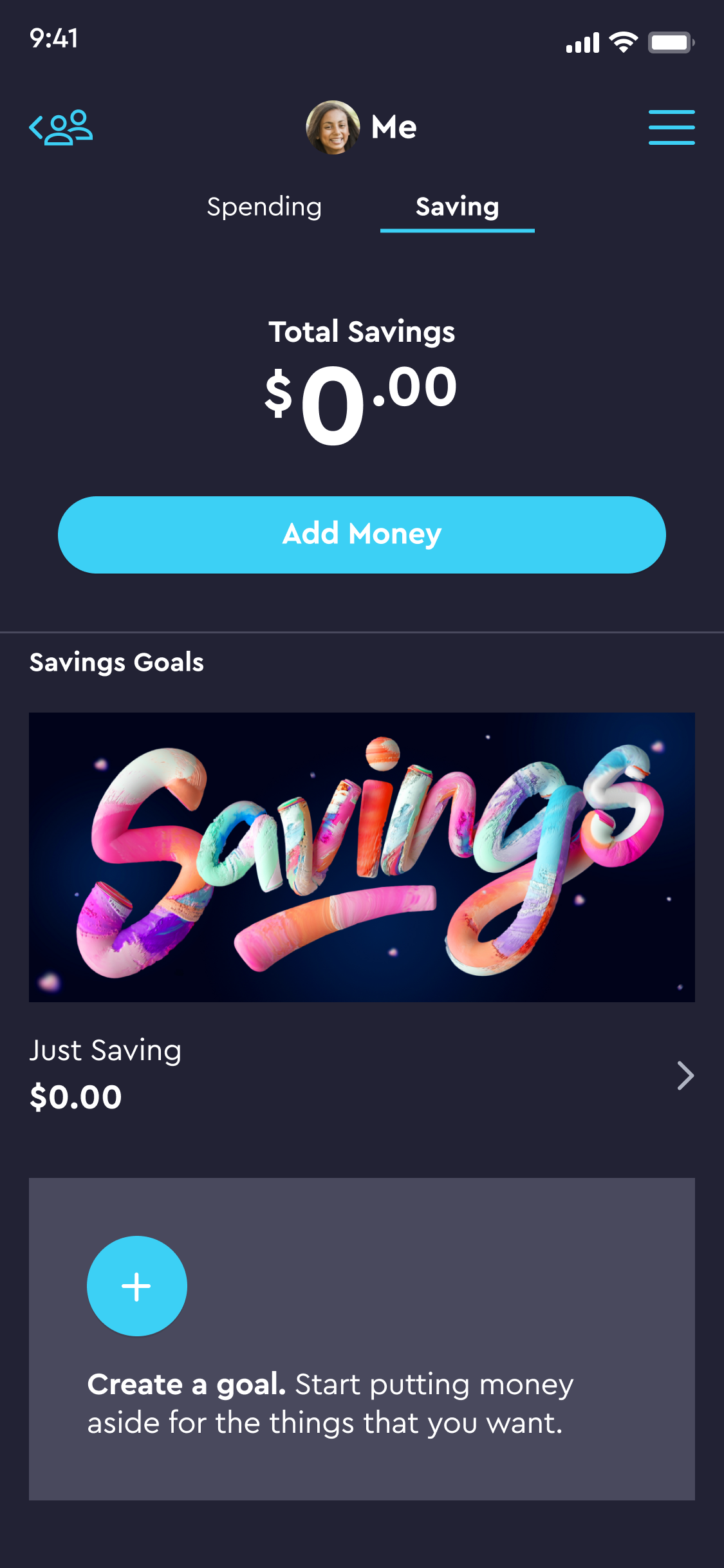
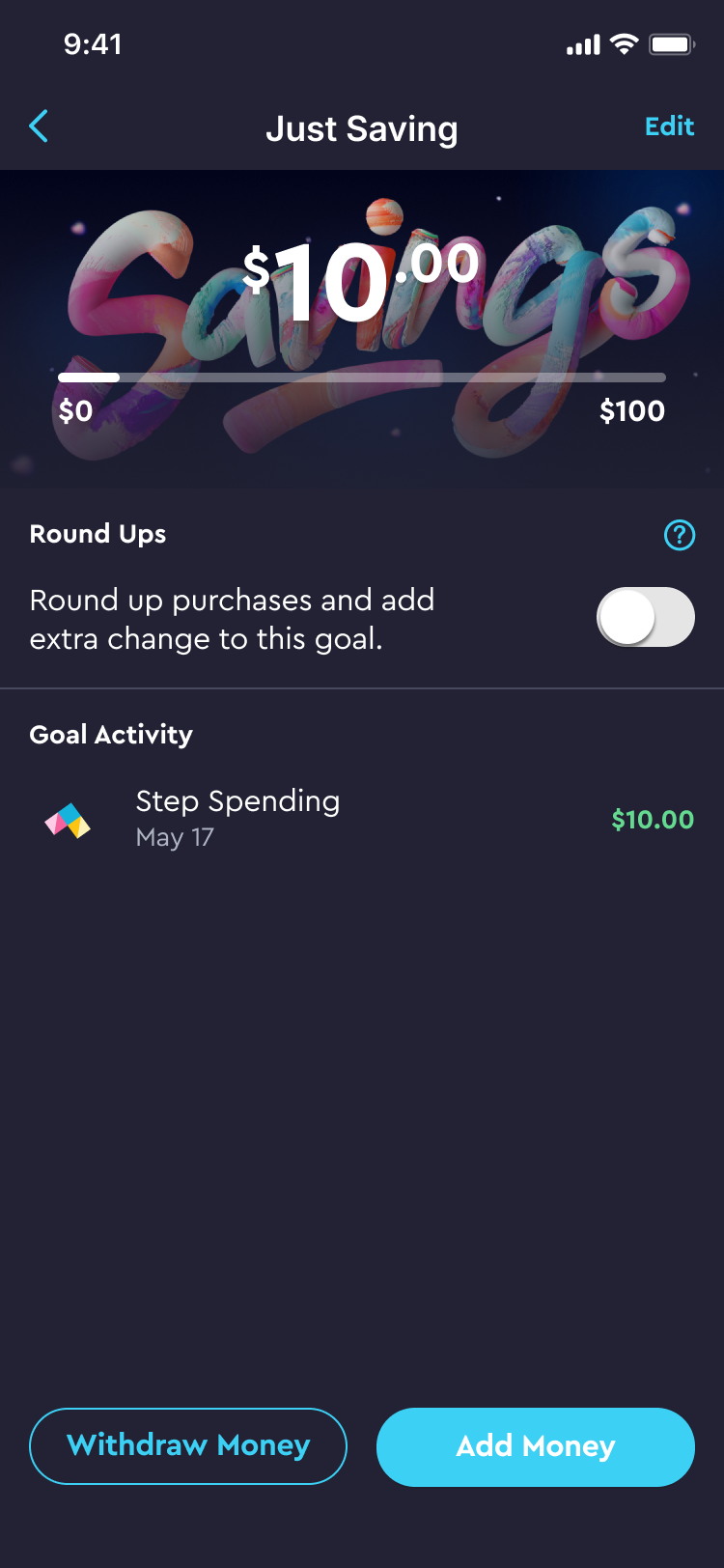
- Create multiple savings goals
- Organize money around specific objectives
- Transfer money between spending and savings
- Receive contributions from family members
- Celebrate progress toward goals
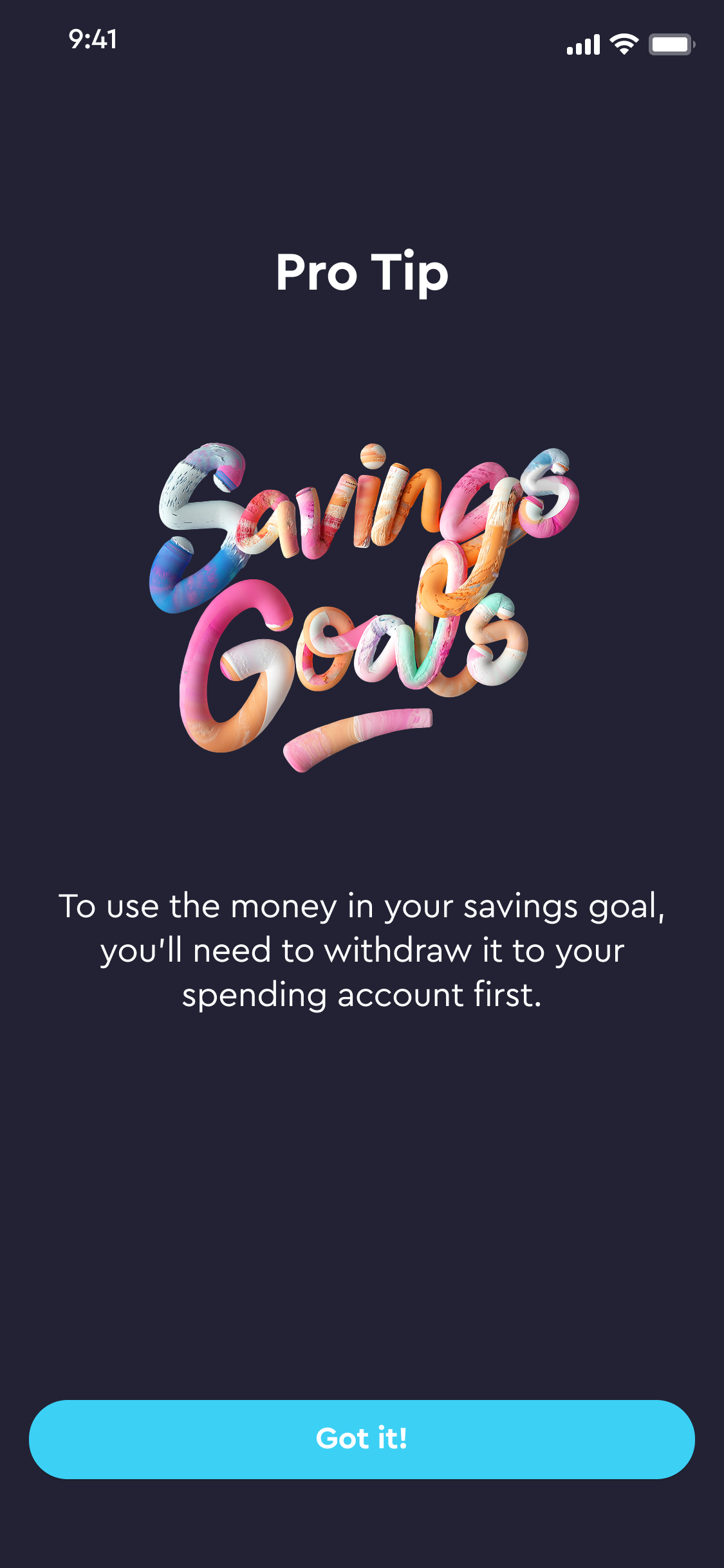
One notable decision was intentionally adding friction to withdrawals. Conventional wisdom suggests reducing friction wherever possible. Our research suggested the opposite.
Building a Platform, Not a Feature
The framework also helped us identify what came next. Instead of treating launch as the finish line, we used the research and pillars to create a roadmap of future opportunities. Because these opportunities were identified during the discovery phase, the team could continue building with confidence rather than constantly re-evaluating direction. The roadmap was a natural extension of the original insights.
Roadmap Opportunities Identified
- Round-ups
- Automated transfers
- Family contributions
- Savings rewards
- APY
- Social sharing
- Public contribution mechanisms
Outcome
The biggest success wasn't the feature itself. It was the quality of alignment the process created. By investing in research, documentation, and shared decision-making frameworks early, we reduced ambiguity across teams and accelerated execution throughout the project. The resulting product was stronger, but more importantly, the organization gained a reusable approach for tackling future initiatives.
Key Takeaways
Alignment Creates Velocity
Teams move faster when they share a clear understanding of the problem.
Research Should Inform Strategy, Not Just Design
The most valuable outcome of the research wasn't a screen. It was a product strategy.
Frameworks Improve Decision-Making
The pillars gave the team a durable way to evaluate opportunities and prioritize investments.
Good Discovery Creates Roadmaps
The same work that informed version one also informed years of future savings-related investments.